Who they were
Thutmose III was the sixth king of the 18th Dynasty, r. c. 1479–c. 1425 BC. For roughly the first two decades he reigned under the regency and co-rule of his stepmother Hatshepsut, ruling alone only afterward.
What they did
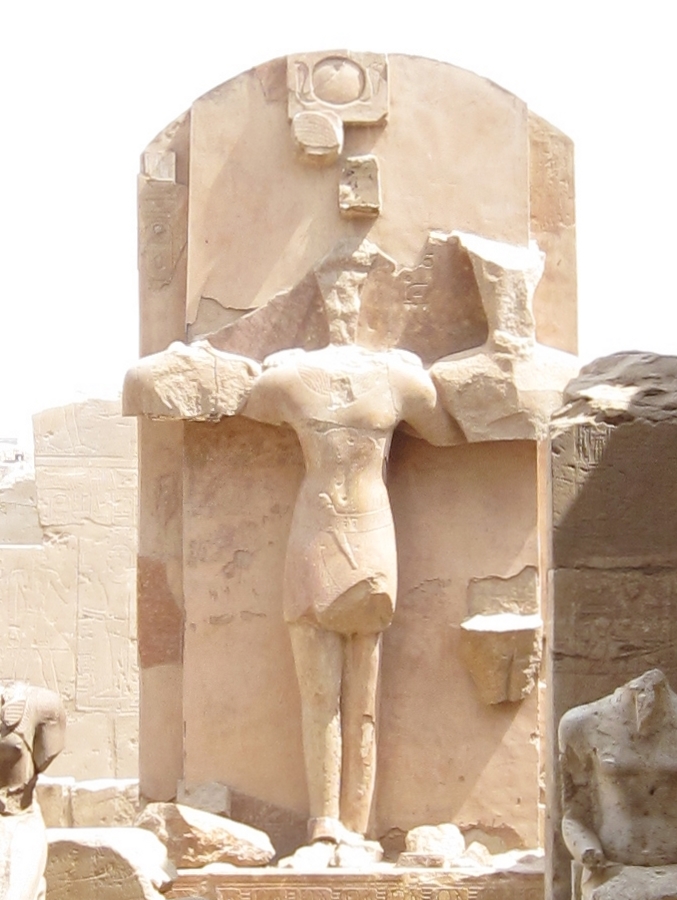
Once ruling alone, he led about 17 military campaigns into the Levant, recorded in the Annals at Karnak. At the Battle of Megiddo (c. 1457 BC) he took a surprise approach through a narrow mountain pass and defeated a Canaanite coalition — often called the earliest battle recorded in relatively detailed narrative. He expanded the empire to its greatest extent, from Nubia to the Euphrates, bringing in tribute while vassal princes were educated in Egypt as hostages. He was also a builder and patron: he added to Karnak, where “botanical garden” reliefs of exotic plants and animals record his campaigns’ collections.
Legacy
Modern historians nicknamed him the “Napoleon of Egypt” — a modern label coined by the Egyptologist James Henry Breasted. Late in his reign, Hatshepsut’s memory was erased from monuments; the motives remain debated.