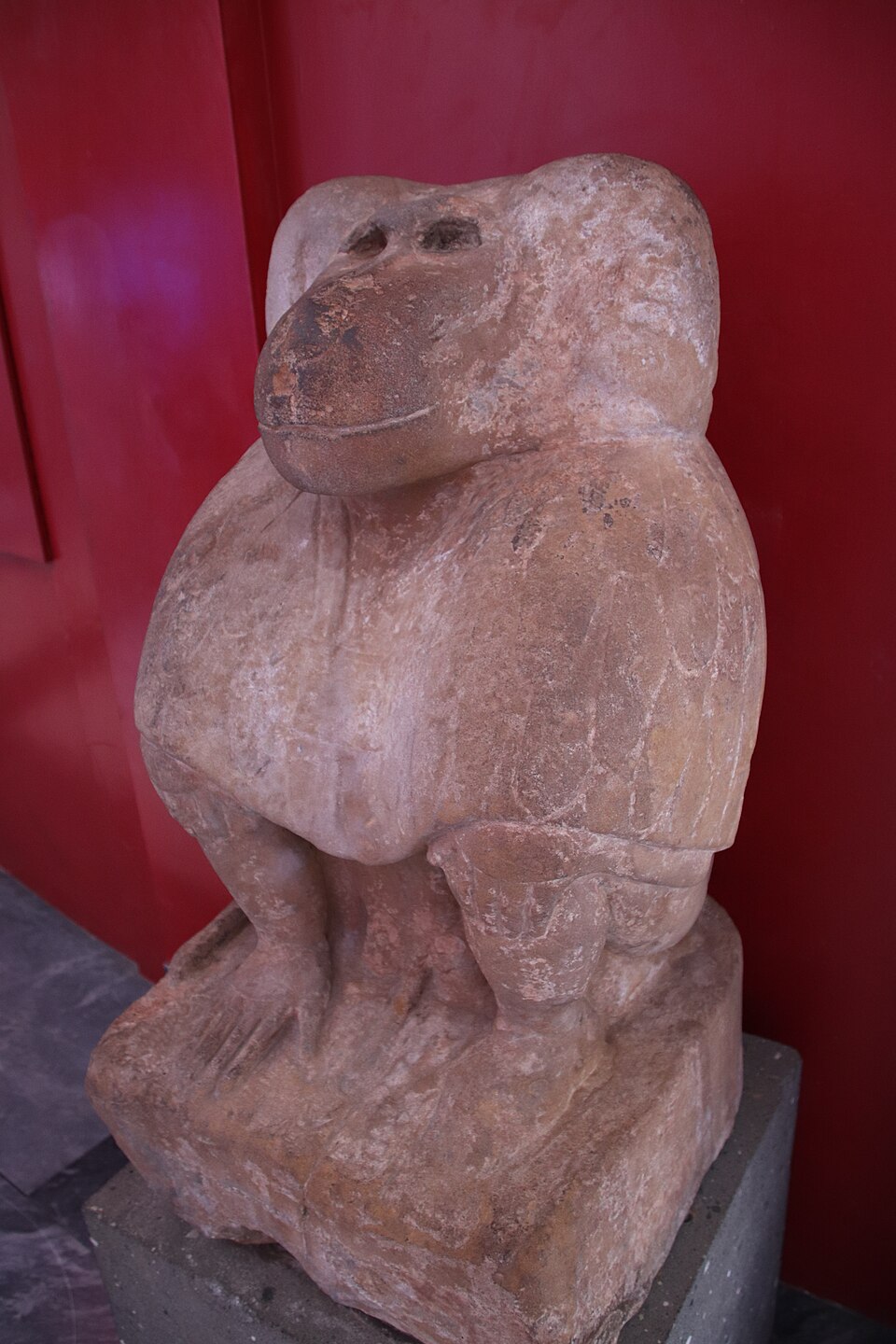
Overview
Spanning c. 1550–c. 1069 BC and the 18th–20th Dynasties, the New Kingdom was Egypt’s imperial age; at its height under Thutmose III, control stretched from Nubia to the Euphrates. Thebes flourished — the temple of Amun-Ra at Karnak was vastly expanded, and kings were buried in rock-cut tombs in the Valley of the Kings.
Key developments
A line of famous rulers followed: Ahmose I, Hatshepsut, Thutmose III, Amenhotep III, Akhenaten of the Amarna religious revolution, Tutankhamun, Seti I, and Ramesses II. The Battle of Kadesh against the Hittites (c. 1274 BC) was followed by one of the earliest surviving international peace treaties, c. 1259 BC. Ramesses III of the 20th Dynasty repelled the Sea Peoples c. 1177 BC.
End and transition
The late 20th Dynasty brought loss of empire, economic strain, and royal tomb robberies; a workers’ protest at Deir el-Medina (c. 1157 BC) is often cited among the earliest recorded labor strikes. The New Kingdom ended c. 1069 BC as the high priests of Amun at Thebes rivaled royal power, and Egypt passed into the Third Intermediate Period.