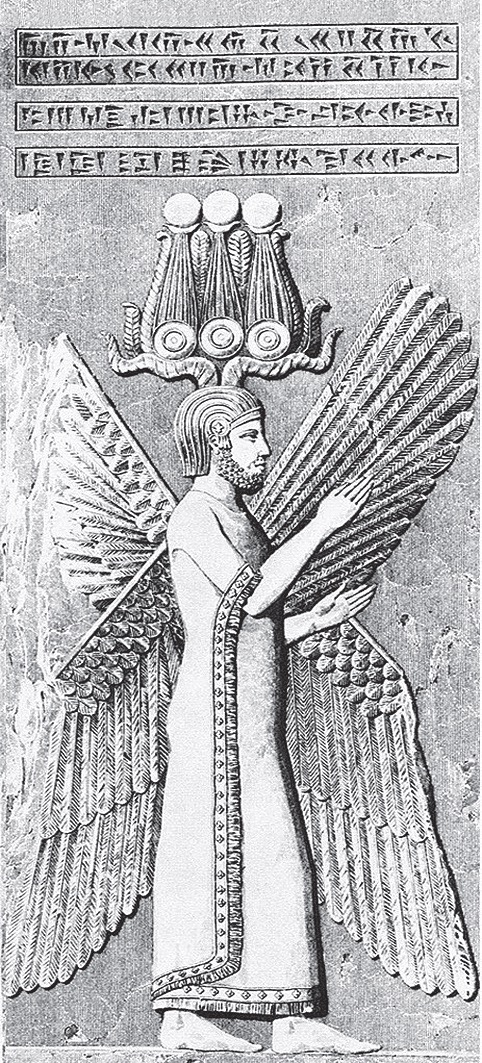
Who they were
Cyrus, born around 600 BC, was king of Anshan in Persis. In 550 BC he overthrew his Median overlord Astyages and founded the Achaemenid Empire.
What they did
He conquered Lydia under Croesus around 547–546 BC and took Babylon in 539 BC — with little fighting, according to the sources, after the battle at Opis. His reputation for clemency rests on allowing deported peoples to return home and restoring temples, a policy attested both by the Cyrus Cylinder and by the biblical account of the Judean return; Greeks such as Xenophon went further and idealized him as the model ruler in the Cyropaedia. He died in 530 BC campaigning in Central Asia — according to Herodotus, against the Massagetae, though the accounts differ.
Legacy
Cyrus was buried at Pasargadae in a gabled stone tomb that still stands; Alexander the Great honored it, according to his historians. As the founding figure of Iranian statehood he has been invoked across 2,500 years, including by modern Iran on both sides of 1979.