Who they were
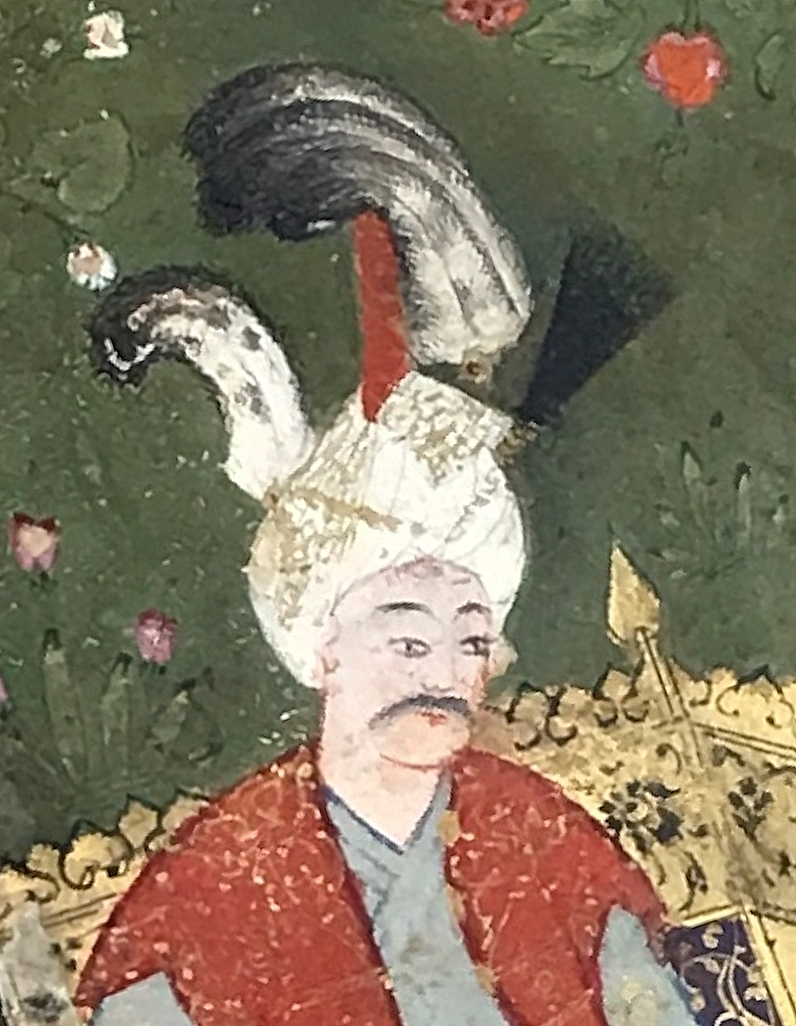
Ismail I (1487–1524, r. 1501–24) was the founder of the Safavid dynasty. He was born the hereditary head of the Safaviyya Sufi order of Ardabil, which had turned militant and messianic under his forebears.
What they did
At fourteen, backed by Turkoman Qizilbash cavalry who according to the sources revered him as a semi-divine figure, he took Tabriz in 1501 and proclaimed himself shah; within a decade he ruled all Iran. His defining act was to proclaim Twelver Shia Islam the state religion and enforce it, importing Shia scholars and suppressing Sunni practice — the conversion of the mostly Sunni population took generations. He was also a poet, writing Turkic verse under the pen name Khatai, works still sung in the Azerbaijani tradition. In 1514 Ottoman firearms crushed his army at Chaldiran; Tabriz was briefly lost and his aura of invincibility broken. By the standard account he never again led an army and withdrew from public life in his last decade.
Legacy
He founded the state that made Iran Shia, an act that ranks among the most consequential religious-political deeds in the region’s history. He died in 1524 and was succeeded by his son Tahmasp I.