What it was
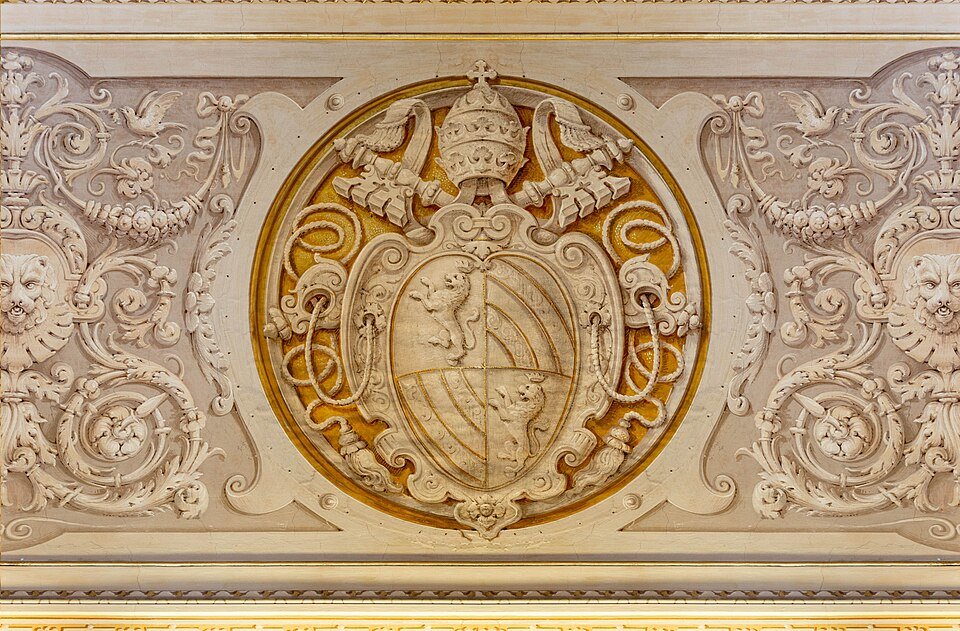
The Papal States were the lands in central Italy — Rome and Lazio, with Umbria, the Marche, and Romagna at their height — over which the pope ruled as a temporal monarch. Their conventional founding moment is the Donation of Pepin (754–756), when the Frankish king granted the pope former Byzantine territories in central Italy.
Role
For roughly eleven centuries the papacy was an Italian territorial power as well as the seat of the Catholic Church. The states underwrote the popes’ independence from emperors and kings but entangled them in Italian wars and diplomacy — Julius II campaigned in person to consolidate them — and their revenues helped fund the rebuilding of Renaissance Rome, from St Peter’s to the works of Michelangelo and Raphael. During the Avignon papacy (1309–1377) control nearly dissolved, and Napoleonic France twice annexed the states before the Congress of Vienna restored them in 1815.
Fate
In 1860 most of the territory — Romagna, the Marche, Umbria — was annexed by the emerging Kingdom of Italy, leaving the pope only Rome and Lazio under French protection. When the French garrison withdrew, Italian troops breached the walls at Porta Pia on 20 September 1870, and Rome became the capital of Italy. The popes’ temporal rule ended; the dispute it left, known as the Roman Question, was settled in 1929 by the Lateran Treaty, which created the State of Vatican City.