What it was
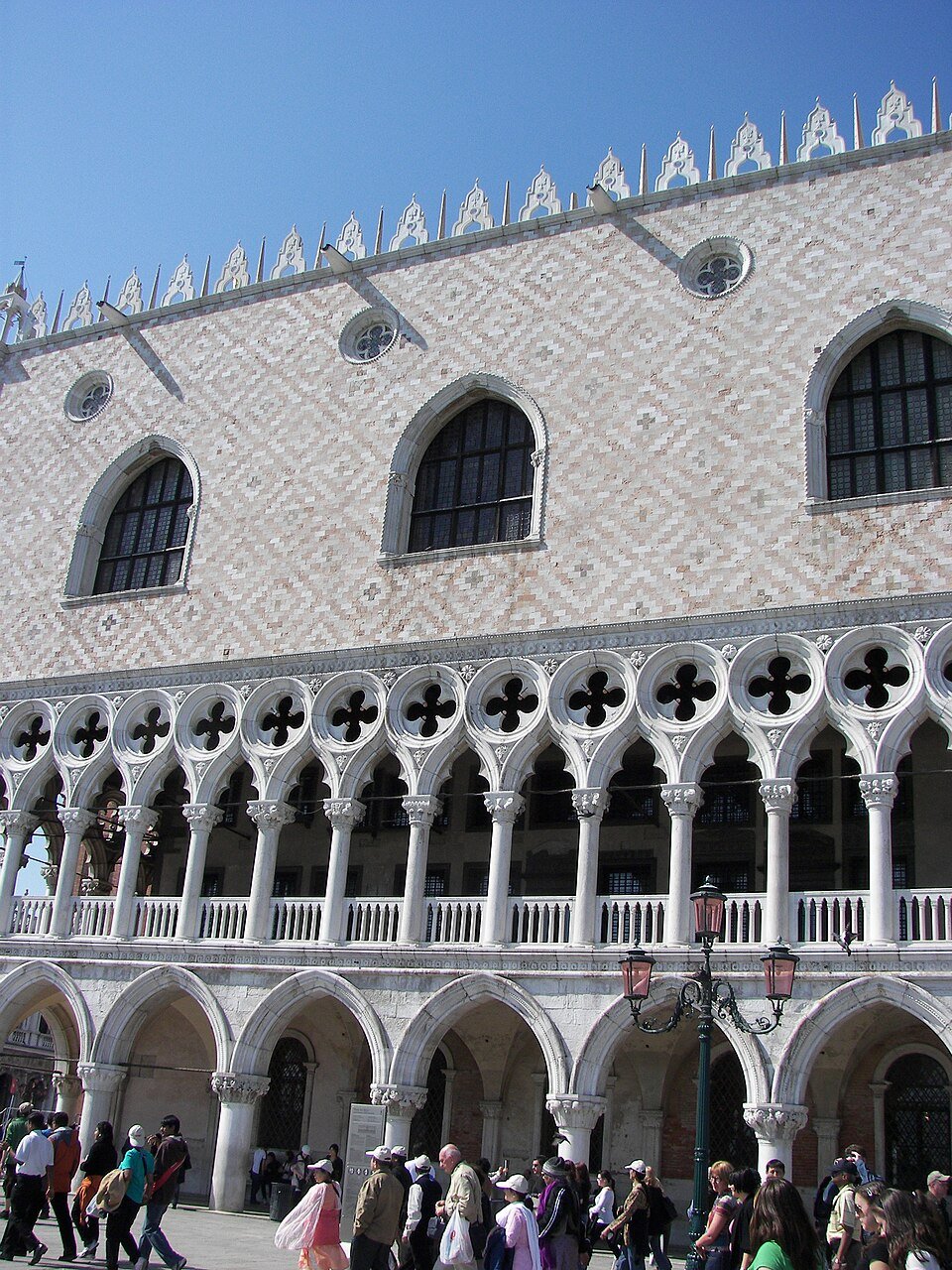
Its head of state was a doge, elected for life by a procedure of ten alternating lotteries and ballots designed to make bribery useless, and hemmed in by councils that opened his correspondence. The Great Council closed its own membership in 1297, fixing for five hundred years which families could govern. Power rested on trade rather than land: the state ran the merchant convoys itself and auctioned places on them, and it kept a shipyard, the Arsenal, that at its height could fit out a galley in a day.
Role
Ruled by an elected doge and a merchant oligarchy, Venice grew rich as the crossroads of Mediterranean and Eastern trade, held colonies across the Adriatic and Aegean, and played a leading role in the Crusades (the Fourth Crusade was diverted to sack Constantinople in 1204). It was also a center of art, printing, and diplomacy.
Fate
Overtaken by Atlantic trade routes and Ottoman expansion, Venice declined and was finally extinguished by Napoleon in 1797. Its art, architecture, and institutions remain famous, and the city endures as a cultural symbol.