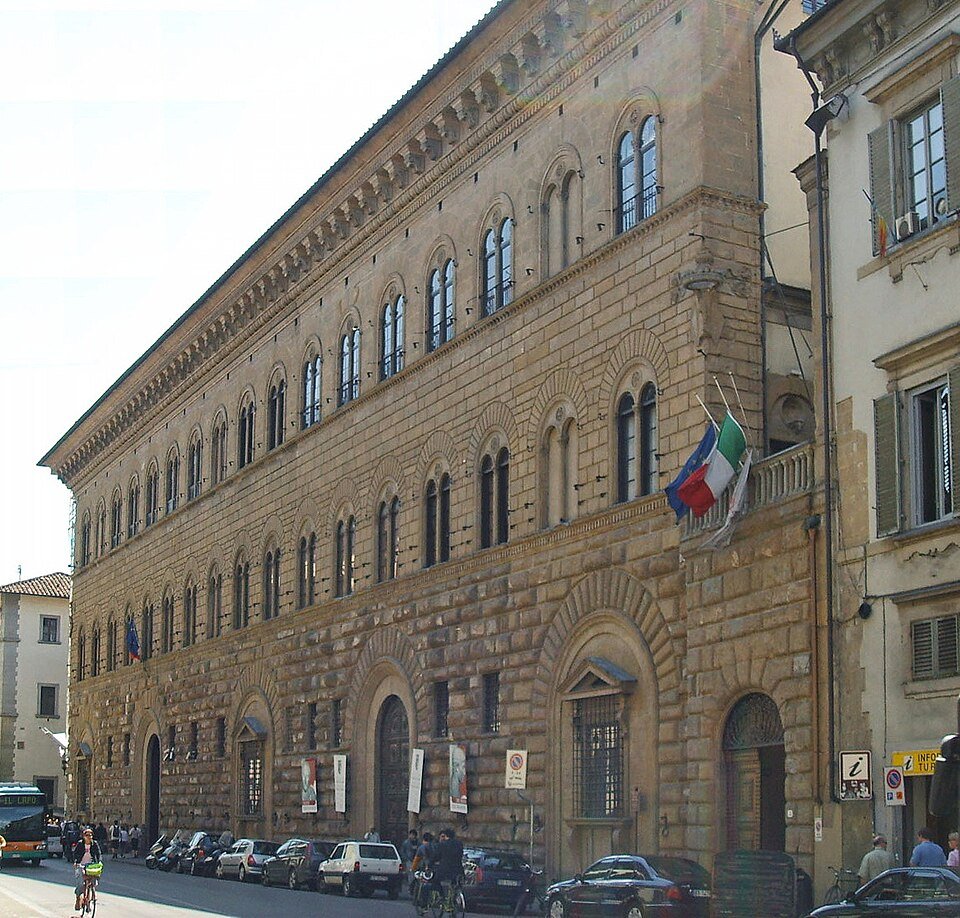
What it was
The fortune began with a bank founded in 1397 by Giovanni di Bicci, which won the papal account and opened branches from London to Naples. His son Cosimo ran Florence from 1434 without ever holding an office that said so, governing through allies, taxation and credit — a method the family kept for a century before it took a title. It gave the Church four popes by the usual count and France two queens, became Dukes of Florence in 1532 and Grand Dukes of Tuscany in 1569, and outlived its own bank, which failed in 1494.
Role
Their bank made them the wealthiest family in 15th-century Europe. From Cosimo de’ Medici to Lorenzo the Magnificent they dominated Florence and funded artists and thinkers, and the family produced popes (Leo X, Clement VII) and two queens of France, later becoming hereditary Grand Dukes of Tuscany.
Fate
The main line ruled Tuscany until the dynasty died out in 1737. Their patronage helped make Florence the cradle of the Renaissance, a legacy still visible in the city’s art and architecture.