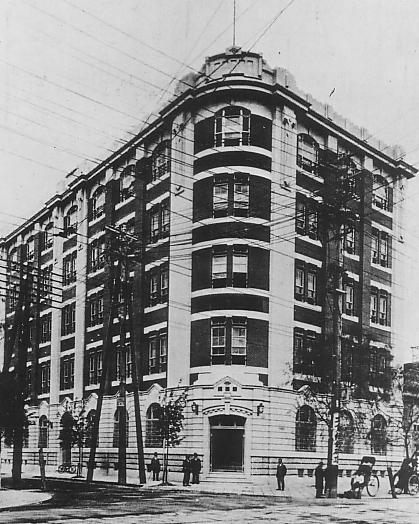
Overview
The Taisho era (1912–1926) was short and urbane. Under “Taisho democracy,” party politics advanced: Hara Takashi became the first commoner prime minister in 1918, and universal male suffrage arrived in 1925 — paired, in the same year, with the repressive Peace Preservation Law.
Key developments
In World War I, Japan joined the Allies and enjoyed an export boom, and in 1915 it pressed the Twenty-One Demands on China. The rice riots of 1918 showed the strains, and the Great Kanto Earthquake (1923) devastated Tokyo and Yokohama. Mass urban culture bloomed: department stores, cafes, radio broadcasting (1925), and “modern girls and boys.”
End and transition
Emperor Taisho died in December 1926, and the Showa era began.