Overview
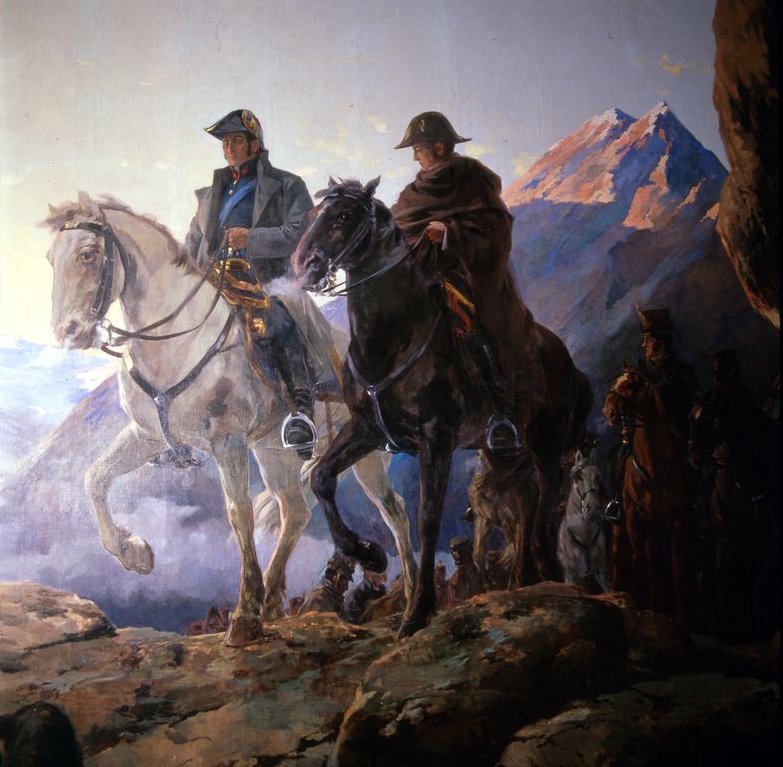
From 1810 juntas across Spanish South America rejected colonial authority, and long campaigns followed. Bolívar liberated the north and San Martín the south, their armies converging to complete the defeat of Spanish forces.
Key developments
Decisive victories at Boyacá, Carabobo, Junín, and Ayacucho (1824) broke Spanish power, and by 1826 the last royalists had surrendered. Brazil took a different path, becoming an independent empire under a Portuguese prince in 1822.
End and transition
Bolívar’s dream of a united Spanish America gave way to separate republics, often unstable. The new nations entered a turbulent early national period.