Overview
The First World War (1914–1918) cost around 900,000 British dead and shattered the Edwardian order. Women over 30 gained the vote in 1918 (equal suffrage in 1928), and most of Ireland left the Union in 1922.
Key developments
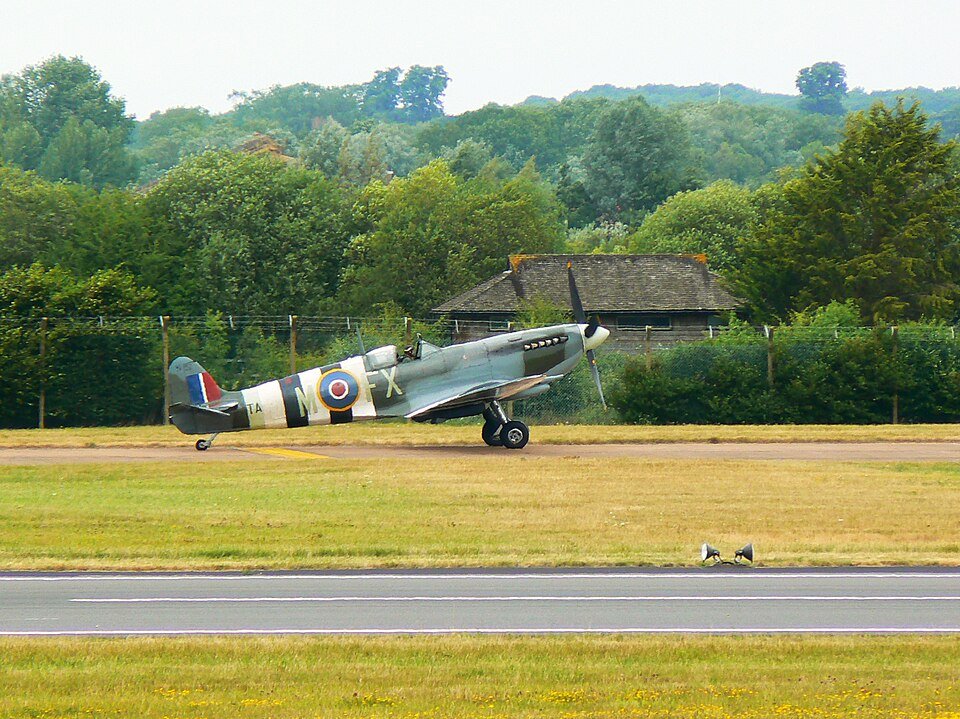
The interwar years brought depression and appeasement. In the Second World War Britain stood against Germany after the fall of France in 1940 — the Dunkirk evacuation, the Battle of Britain, and the Blitz — with Winston Churchill as war leader, then fought on with the Allies to victory in 1945.
End and transition
Victory in 1945 left Britain drained and heavily in debt, and the Labour landslide that summer opened the postwar settlement: the welfare state at home, decolonization abroad.