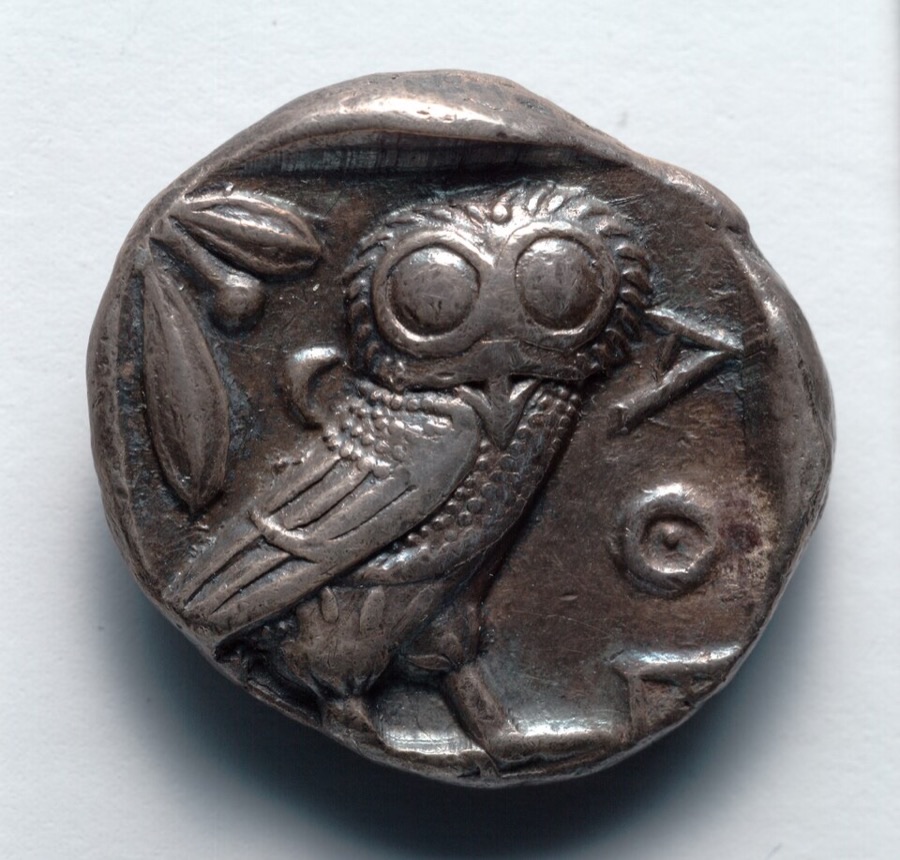
What it was
The league was founded in 478 BC, after the Persian invasions, as an alliance of Aegean city-states under Athenian leadership to carry the war against Persia. Its treasury and meetings were on the sacred island of Delos. Members contributed ships or money, with the tribute first assessed by Aristides the Just. Over its life it counted somewhere between roughly 150 and 330 member states, the numbers varying by year.
Role
Early campaigns drove Persia from the Aegean, capped by the victory at the Eurymedon around 466 BC. The league then hardened into an Athenian empire: the revolts of Naxos and Thasos were suppressed and exit was denied; the treasury moved to Athens in 454 BC, and tribute funded Athenian buildings; garrisons, settlers (cleruchies), and Athenian courts spread until the allies had become subjects. The league’s fleet was the instrument of Athens’ golden age — and of the Peloponnesian War.
Fate
The league dissolved with Athens’ defeat in 404 BC; a second, weaker league followed in 378 BC. It endures as the classic case study of an alliance becoming an empire, cited ever since in debates about hegemony.