What happened
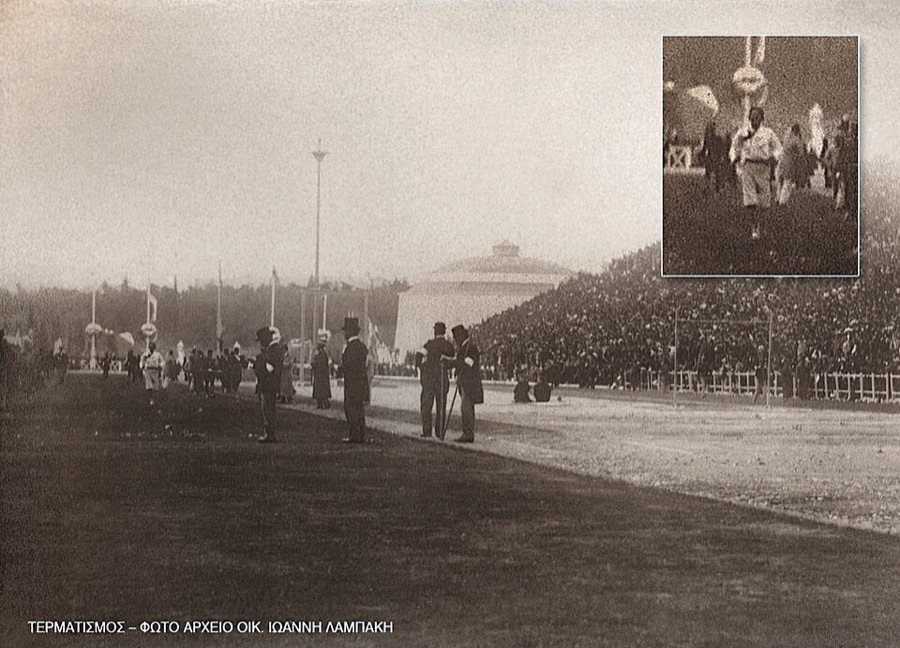
The first modern Olympic Games were held in Athens on April 6–15, 1896. The setting was the Panathenaic Stadium, rebuilt in white marble with funding from the benefactor Georgios Averoff; about 240 athletes, all men, from around 14 nations — the numbers vary by count — competed in 43 events across 9 sports. The emotional climax was the marathon, a new race invented for these games from the Marathon legend, won by the Greek water-carrier Spyridon Louis, who became a national hero. American college athletes dominated the track events, and the first Olympic champion of the modern era was the American James Connolly, in the triple jump.
Background
The games were organized by the International Olympic Committee, founded by Pierre de Coubertin in 1894, with the Greek Demetrios Vikelas as its first president — a revival of the ancient games after some 1,500 years. Greece’s national revival and its claims to the classical heritage made Athens the natural host, though the government was initially reluctant amid a financial crisis.
Consequences
The games institutionalized the modern Olympic movement, and Paris followed in 1900. Athens hosted the Olympics again in 2004. The 1896 marathon fixed the event in world sport, though the standard distance was settled only later, in 1908 and 1921.