What happened
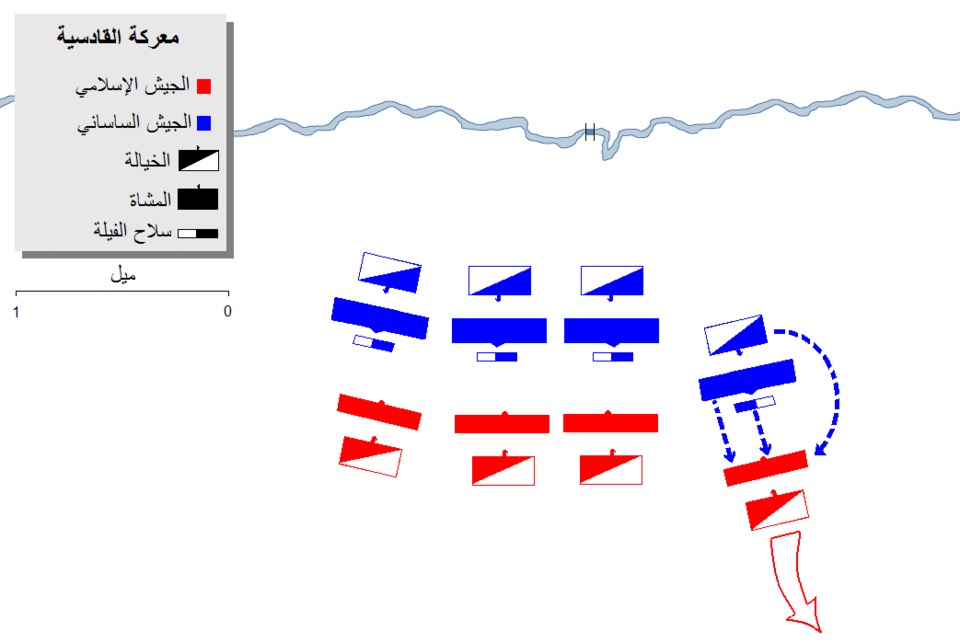
Arab raids into Mesopotamia began in 633. The decisive battle of al-Qadisiyyah — conventionally dated 636 — opened the way to Ctesiphon, whose vast treasury fell to the conquerors, and the battle of Nahavand in 642, remembered in Arab tradition as the victory that surpassed all others, broke organized resistance on the Iranian plateau. The last king, Yazdegerd III, fled east for a decade before being murdered near Merv in 651; his son Peroz sought refuge and titles at the Tang Chinese court.
Background
The empire was exhausted by the great war with Byzantium of 602–628, and to this were added regicide and a rapid turnover of kings, plague, and flooding along the Tigris. This combination is the standard explanation for so swift a collapse.
Consequences
Iran became part of the caliphate, but conversion to Islam was gradual, unfolding over centuries. Zoroastrians paid the poll tax as protected subjects and dwindled only slowly, while Persian administrators and administrative practice passed into caliphal government. In the long run, Iran became Muslim but not Arab — and the Persian language revived within Islam.