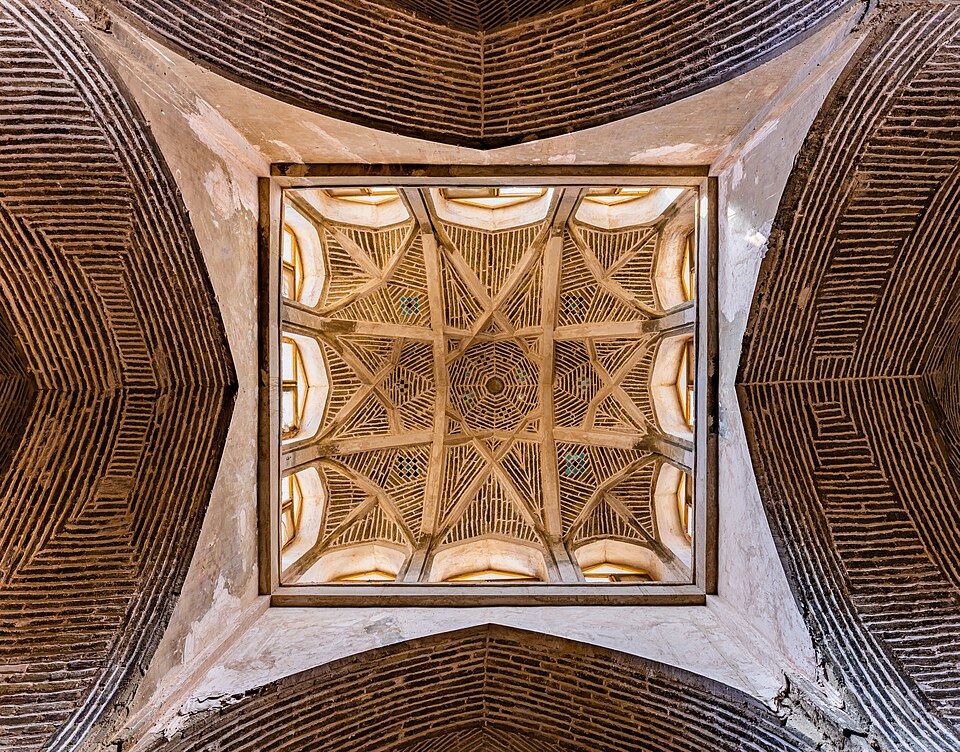
Overview
The period stretches from the fall of the Sasanian Empire in 651 to the arrival of the Seljuk Turks around 1040. Iran was ruled first by the Umayyad and then by the Abbasid caliphate, and conversion to Islam advanced gradually across these centuries. Scholars of Iranian origin became central figures of the wider Islamic civilization — al-Khwarizmi in mathematics and, later, Avicenna in philosophy and medicine.
Key developments
The Abbasid revolution of 747–750 began in Khorasan with strong Iranian participation, and the new caliphal capital of Baghdad — built near old Ctesiphon — absorbed Persian administrative tradition and court culture, from the office of vizier to the Barmakid family. The 9th and 10th centuries, sometimes called the Iranian intermezzo, saw semi-independent and independent Iranian dynasties emerge: the Tahirids, Saffarids, and Samanids in the east, and the Buyids in the west, who took Baghdad itself in 945. The Samanid court at Bukhara sponsored the revival of Persian as a literary language written in Arabic script; New Persian poetry begins with Rudaki and culminates in Ferdowsi’s Shahnameh of c. 1010.
End and transition
The era ends around 1040, when the Seljuk Turks defeated the Ghaznavids at Dandanaqan and took the Iranian plateau. This opened centuries in which Turkic dynasties ruled states shaped by Persian culture.