What it was
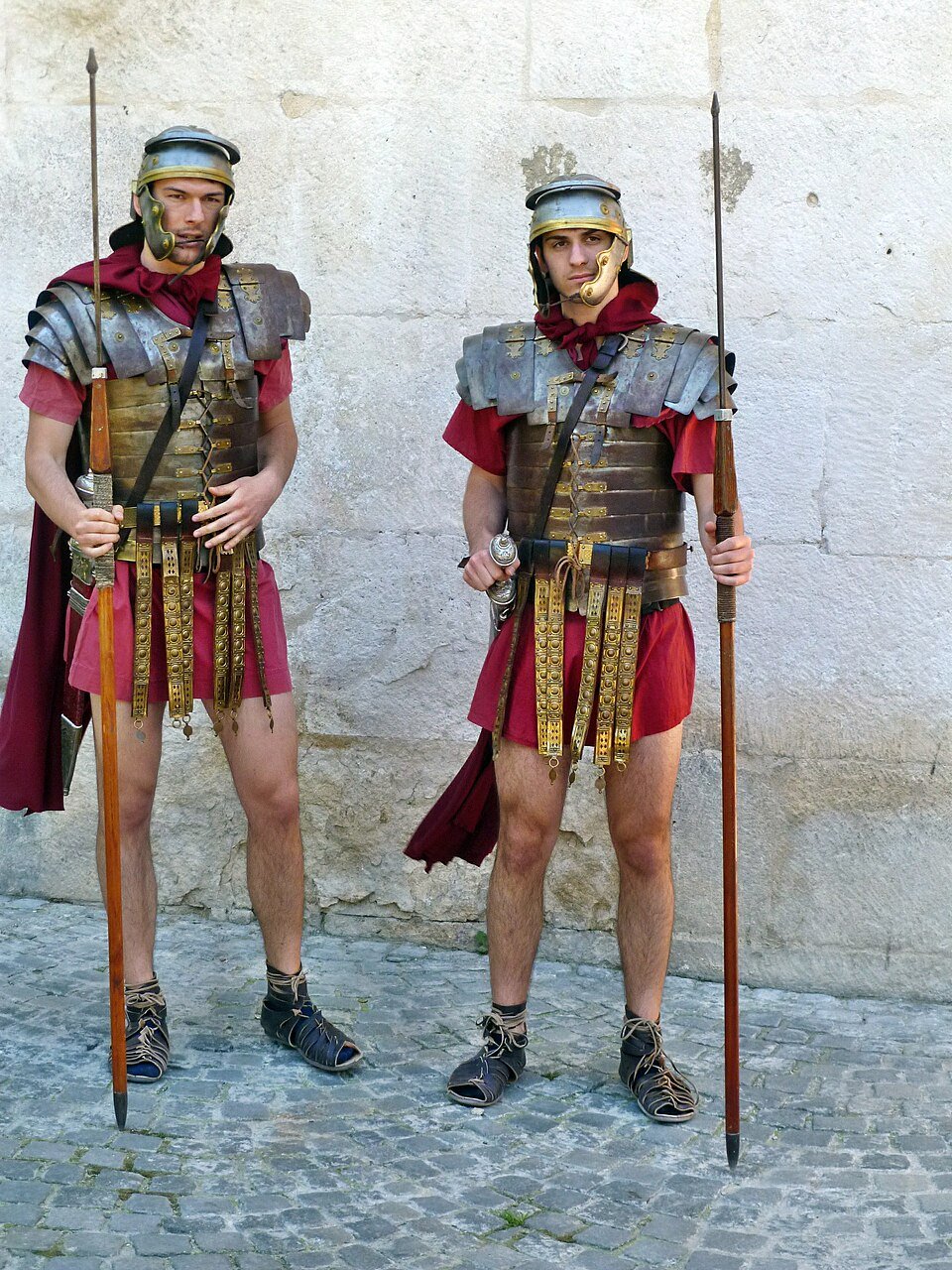
From Marius’s reforms onward it held about five thousand men in ten cohorts, each of six centuries of eighty — a century being eighty men and not a hundred, whatever its name says. Every legion carried a number, a name and a silver eagle whose loss was a disgrace no reorganisation could wipe out. Its soldiers were citizens serving twenty to twenty-five years for pay and a discharge grant, and the non-citizens who fought beside them in the auxiliaries earned citizenship at the end of their own service — which made the army one of the largest manufacturers of Romans the empire had.
Role
Disciplined and drilled, organized into cohorts and centuries, legions conquered and held the empire and also built roads, forts, and frontiers, spreading Roman ways. Reforms associated with Marius (late 2nd century BC) opened recruitment and professionalized the army, and legions became power bases for ambitious generals.
Fate
The legions evolved over centuries and declined with the Western Empire, increasingly relying on non-Roman troops. Roman military organization and engineering left a lasting mark on the art of war.