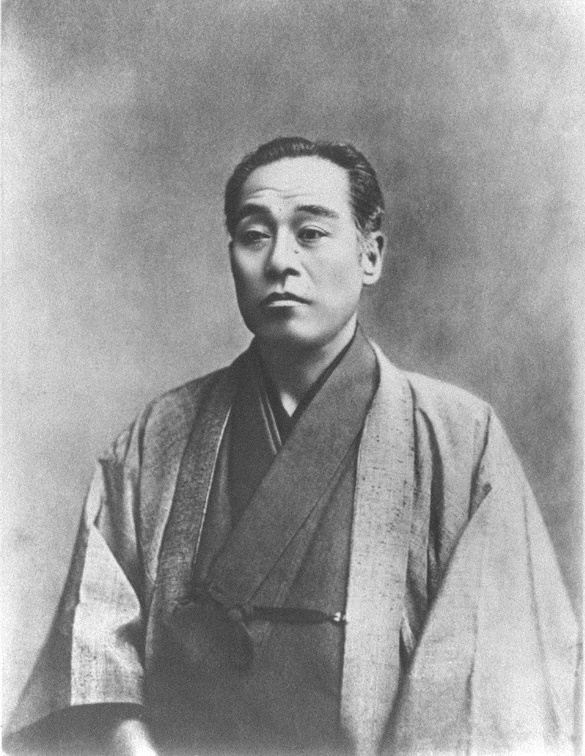
Who they were
Born a low-ranking samurai of Nakatsu, he mastered Dutch learning, then taught himself English. He joined the shogunate’s first missions abroad — San Francisco in 1860 aboard the Kanrin-maru, then Europe in 1862.
What they did
His school, with its origin in 1858, became Keio Gijuku — today’s Keio University. His books explained the West and remade minds: “Conditions in the West”; “An Encouragement of Learning” (1872–76), a huge bestseller opening with “Heaven does not create one person above or below another”; and “An Outline of a Theory of Civilization”.
He founded the newspaper Jiji Shinpo in 1882.
Legacy
He championed independence and self-respect (dokuritsu jison), practical learning, and equality of opportunity through education. His portrait was on the 10,000-yen note from 1984 to 2024; he is remembered as the intellectual architect of Japan’s modernization.