Overview
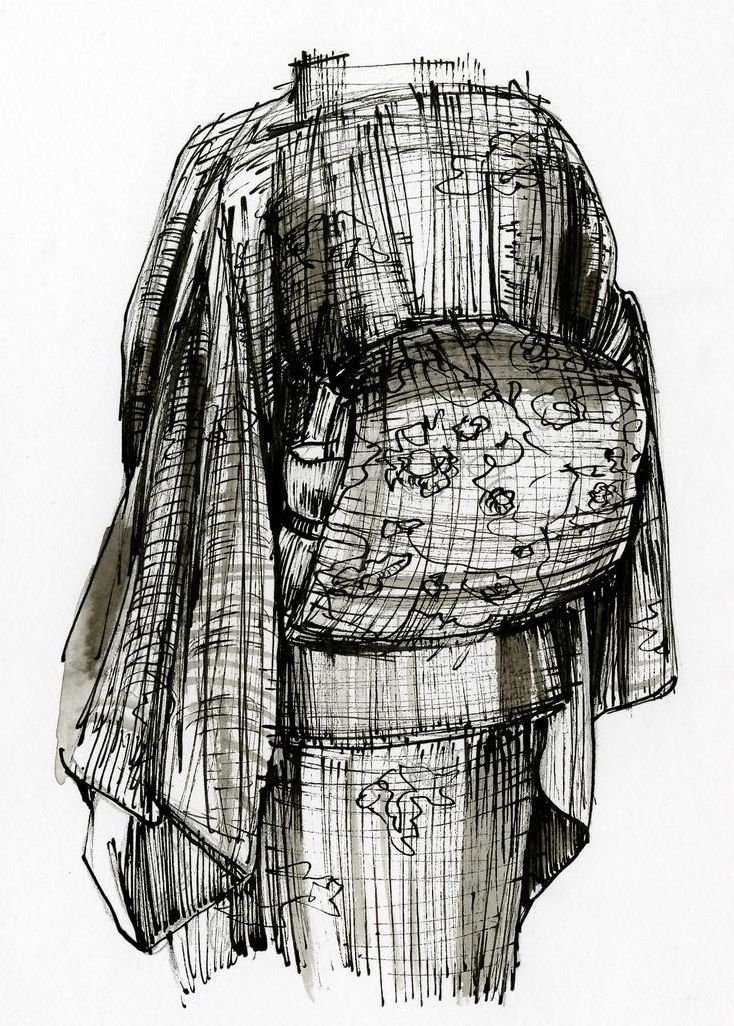
An obi wraps the waist over the kimono and secures it. Men’s obi are narrow and simple, while women’s are broad and decorative, and the way one is tied — the musubi knot — signals occasion, age, and formality.
How it is worn
The long band is wound around the waist and tied, most often at the back, into one of many named knots, and a formal woman’s obi may need cords and pads to hold its shape. Because it is the most visible element, its cloth and knot are chosen to match the kimono and the event.
History
Early obi were narrow cords, but through the Edo period the women’s obi widened dramatically and knot-tying became an art, partly as sleeves lengthened and the sash rose up the body. Weaving centers such as Kyoto’s Nishijin made the obi a showcase of the textile craft.