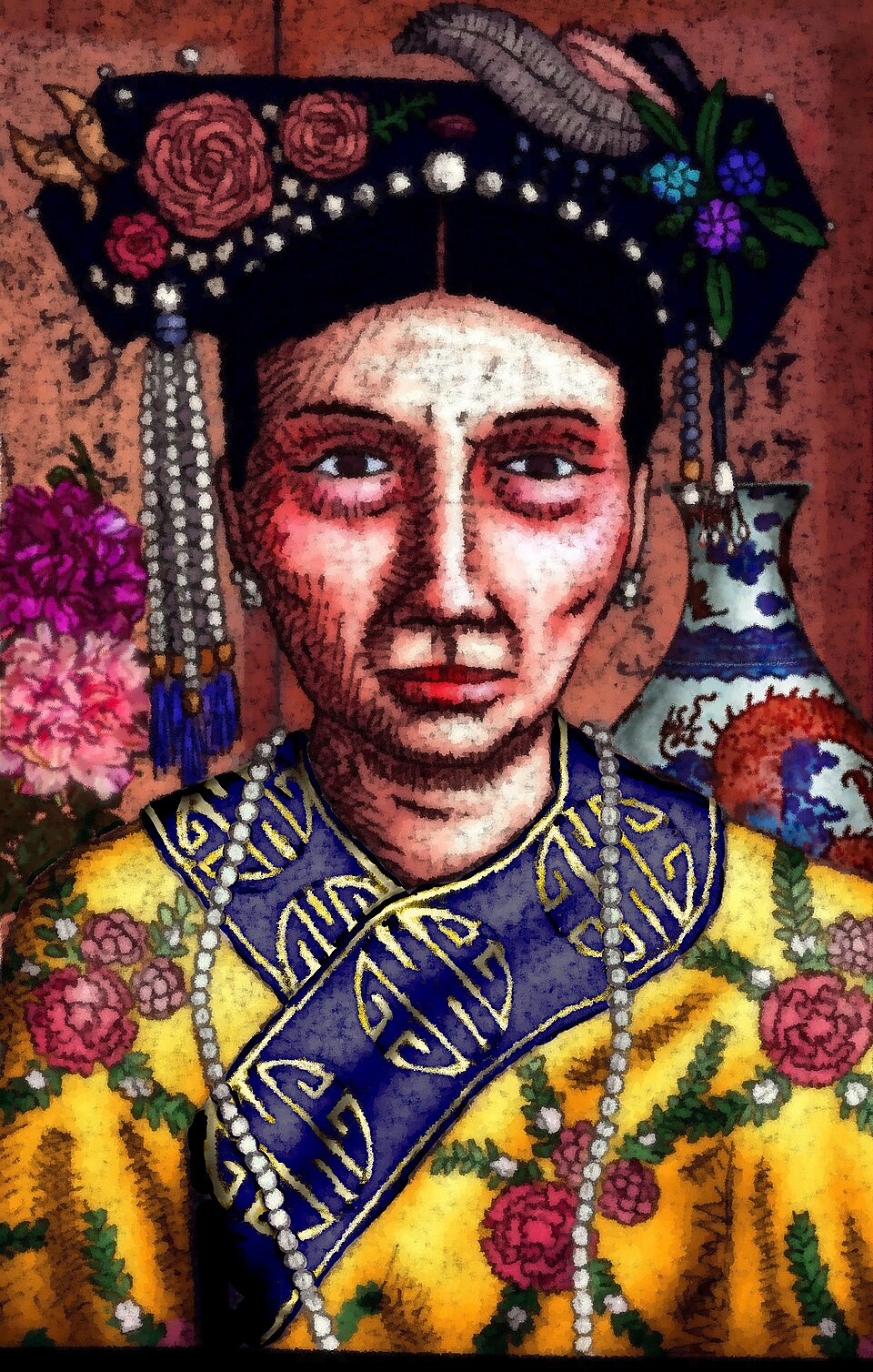
Overview
Nurhaci founded the Later Jin in 1616, and Hong Taiji renamed it Qing in 1636; Qing forces took Beijing in 1644. The dynasty reached its height under the Kangxi, Yongzheng, and Qianlong emperors (1661–1796), when the empire attained its greatest extent, including Taiwan, Mongolia, Tibet, and Xinjiang.
Key developments
The 19th century brought the Opium Wars (1839–42 and 1856–60) and unequal treaties, the devastating Taiping Rebellion (1850–64), defeat by Japan (1894–95), and the Boxer crisis of 1900.
End and transition
Late reforms came too late. The Xinhai Revolution broke out in 1911, and the child emperor Puyi abdicated in February 1912.