What happened
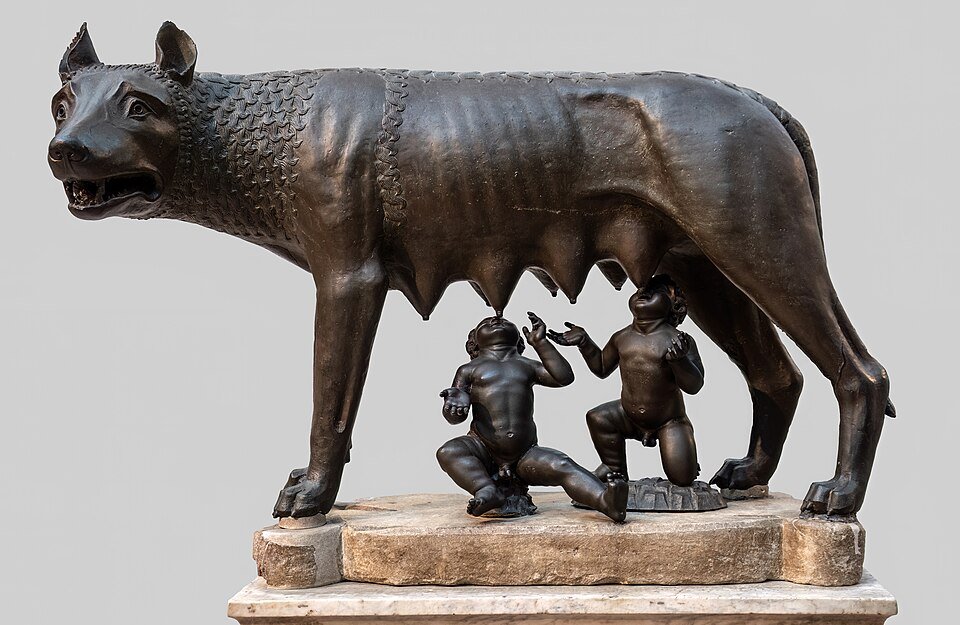
The date the Romans settled on was not just a year but a day: 21 April, the Parilia, an old shepherds’ festival of purification for the flocks, which the city then kept as its own birthday and still does. The legend they attached to it is a violent one, and they knew it — a fratricide at the moment of foundation, and a wolf who suckled the twins whose Latin name, lupa, was also the ordinary word for a prostitute, a reading some Roman writers preferred. Rome’s calendar counted from the date afterwards: ab urbe condita, from the founding of the city.
Background
Archaeology shows Iron Age villages on Rome’s hills, notably the Palatine, coalescing into a city from about the 8th century BC, at the crossroads of the Latin, Sabine, and Etruscan worlds. The traditional date and story were systematized by later Roman writers such as Varro and Livy.
Consequences
The legend gave Rome a foundational identity, and 753 BC became the epoch of the Roman calendar (ab urbe condita). The monarchy it began was, by tradition, overthrown in 509 BC to found the Republic.