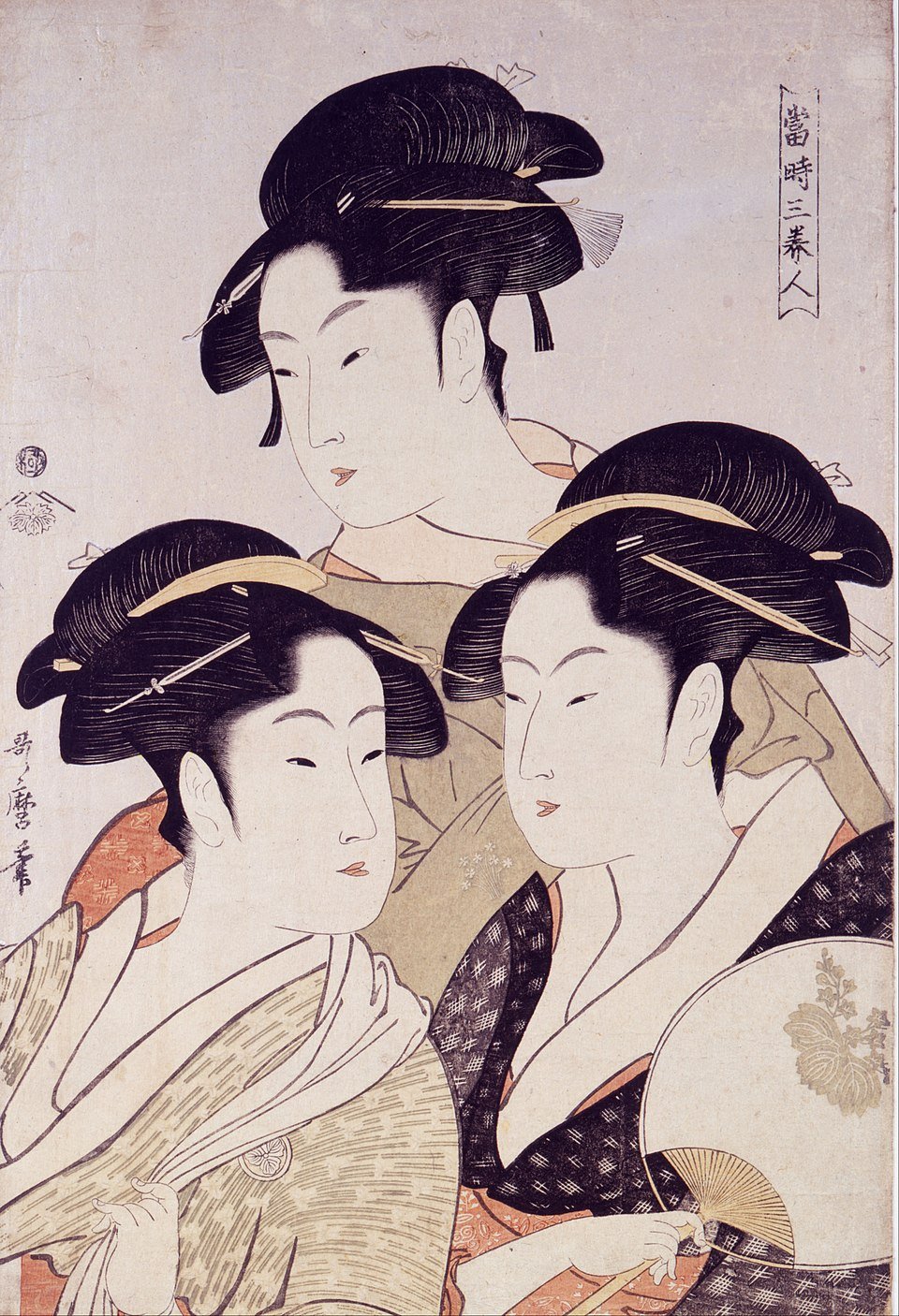
Overview
Two forces shaped the story: waves of borrowing from the continent — tailored dress, court ranks, silk weaving — and long stretches in which those imports were reworked into something distinctly Japanese. The kosode, a small-sleeved robe that began as underwear, slowly rose to become the principal garment and, eventually, the kimono.
The story of dress
The single sharpest break came in the Meiji era, when Western dress (yofuku) was adopted for the military, officials and men’s public life, and the kimono was reframed as traditional wear. In the twentieth century Western clothing became everyday, while Japanese designers and Tokyo street styles carried the country’s fashion back out to the world.