Overview
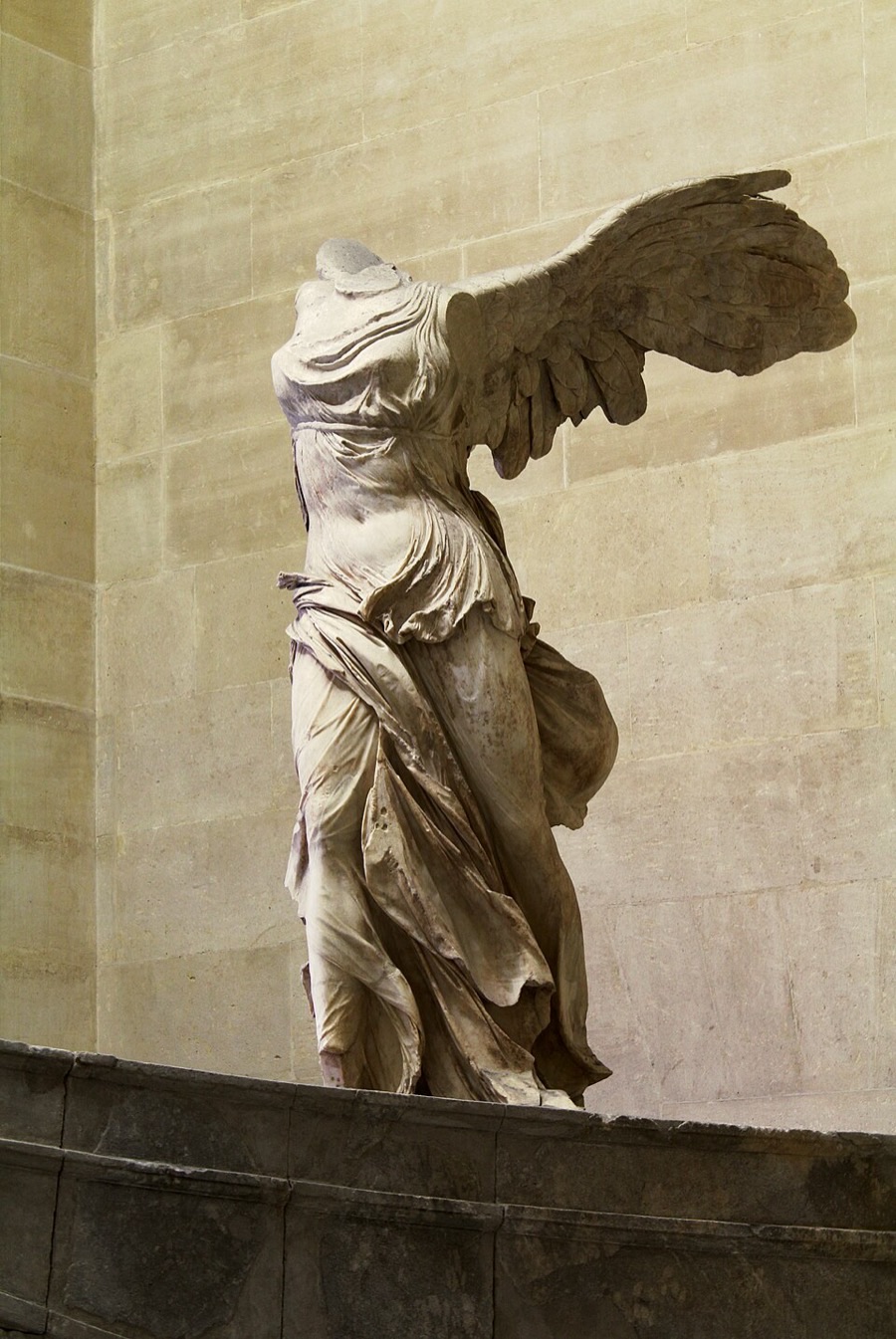
The Hellenistic period in Greece spans 323–146 BC, from Alexander’s death to Rome’s conquest. Throughout the era the Successor kingdoms — the Ptolemies in Egypt, the Seleucids in Asia, and the Antigonids in Macedon — fought over Greece. The polis lived on under kings and leagues, with the Achaean and Aetolian Leagues standing out as federal experiments.
Key developments
Culture’s center of gravity shifted to Alexandria and the other royal capitals, home of the famous Library and Museum. Athens, however, remained the capital of philosophy: Epicurus’s Garden and Zeno’s Stoa — the birthplace of Stoicism — arose alongside the older Academy and Lyceum. Koine Greek became the common language from the Mediterranean to Central Asia, and would later be the language of the New Testament. Science flourished in the wider Greek world, in figures such as Euclid, Archimedes, and Eratosthenes.
End and transition
Macedonia’s wars with Rome, beginning in 214 BC, ended in defeat at Pydna in 168 BC. In 146 BC Rome crushed the Achaean League and destroyed Corinth — the conventional end of Greek independence. The term Hellenistic, coined by the nineteenth-century historian Droysen, marks the fusion of Greek culture with the East: the world that Rome inherited.